Grid Stability in High-Renewable Systems: Costs, Tools, and Policy to Keep the Lights On


Grid Stability in High-Renewable Systems: Costs, Tools, and Policy to Keep the Lights On
Grid stability is the decisive challenge of renewable-heavy power systems, and grid stability demands new investments in storage, flexible demand, and smarter operations to keep supply and demand in sync.
As variable wind and solar scale, power systems must manage frequency, voltage, and congestion in real time. Analyses from IRENA and grid operators like ENTSO‑E and NERC show that achieving reliability at high renewable penetration requires grids, storage, and flexible demand—not generation alone.
The investment need is significant. Studies of advanced economies point to annual spending in the trillions of dollars this decade for network upgrades, utility‑scale storage, and digitalization. Emerging markets face an even sharper affordability challenge given higher financing costs and constrained public budgets—underscoring the role for concessional and blended finance.
Proven solutions exist and are scaling. Battery energy storage systems (BESS) provide fast frequency response, ramping, and peak shaving. California’s system operator CAISO credited large BESS fleets with helping meet record peak demand in 2022 and 2023, avoiding outages during extreme heat. Vendors such as Tesla (Megapack) and Fluence deploy grid‑scale systems that also participate in ancillary‑service markets.
Demand‑side flexibility is the other half of the equation. Standards like OpenADR automate load shifting in homes and industry, while dynamic tariffs reward customers for moving consumption off‑peak. Distribution‑level orchestration of EV charging, heat pumps, and industrial loads can deliver double‑digit peak reductions when paired with smart meters and automation.
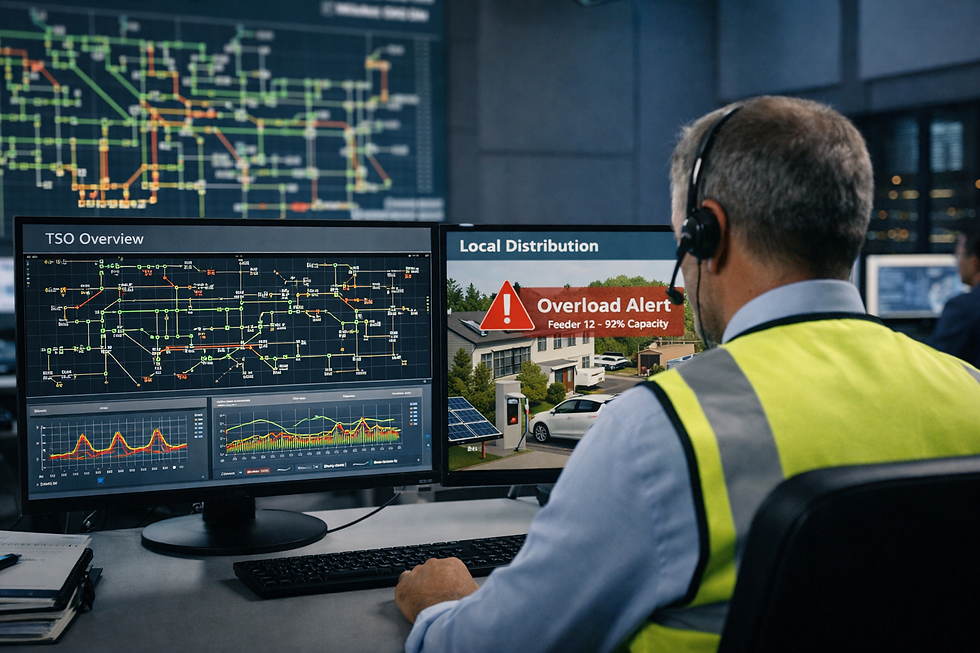
Operational excellence matters. Real‑time grid management software uses state estimation, probabilistic forecasting, and security‑constrained dispatch to keep networks within limits. Interoperability via IEC 61850 and interconnection standards like IEEE 1547 enable inverter‑based resources to contribute voltage and frequency support. Market rules such as FERC Order 841 and Order 2222 open participation for storage and aggregated DERs, improving reliability at lower cost.
Balancing cost and innovation requires smart policy design:
1) prioritize no‑regret grid reinforcements and visibility (phasor measurement units, feeder telemetry);
2) procure flexibility via competitive tenders and transparent KPIs (response time, MW delivered, avoided curtailment);
3) align tariffs with system needs—time‑of‑use and critical‑peak pricing;
4) protect vulnerable customers with targeted support; and
5) de‑risk projects with standard contracts and blended finance in emerging markets.
Bottom line: reliability is achievable with portfolio thinking. Combine BESS, demand response, grid‑forming inverters, interconnectors, and better operations, and renewables can scale without sacrificing stability or affordability.
Grid stability: practical tools, standards, and market levers
Deploy BESS for fast response, automate demand with OpenADR, require advanced inverter functions via IEEE/IEC standards, and reward flexibility through clear market products.


Comments