Energy flexibility automation: turning households into a system resource
- Marcellus Louroza

- Jan 22
- 1 min read

Energy Flexibility, Activated: automation turns chaos into a system resource
Energy flexibility is often called “the next big thing.” In reality, it already exists—but it remains underused without automation. Residential programs show that orchestrated EV charging, heating and storage can deliver grid‑scale results with comfort intact.
The lesson from winter peaks. When homes respond automatically to signals, they deliver measurable, compensated flexibility—without new assets or behaviour change campaigns. Price alerts and dashboards don’t scale; software does. Automation quietly coordinates devices in the background and keeps savings visible in clear reports.
Why market design matters. Dynamic tariffs are powerful only if homes can act on them automatically. Otherwise, value stays locked inside millions of unmanaged decisions. Automation transforms that latent potential into a predictable, auditable and tradable resource. Key rails include OpenADR for automated demand response, OCPP for EV charging control and Matter for secure onboarding in the smart home.
From pilots to policy. To activate residential flexibility at scale:
• Bundle dynamic tariffs with Home Energy Management Systems (HEMS) so price signals translate into device action.
• Use DLMS/COSEM to access metering/DER data, and align privacy/security with NIST CSF or national frameworks.
• Adopt explainable AI to schedule loads and publish three KPIs that everyone understands: bill savings per home, total kWh shifted and program retention.
• Settle flexibility transparently via market operators and certify outcomes with independent M&V (e.g., EPRI / IEEE PES guidance).
Energy flexibility isn’t hypothetical—it’s waiting to be activated. The practical question is governance: who triggers the automation—utilities, retailers, or the ecosystem together?
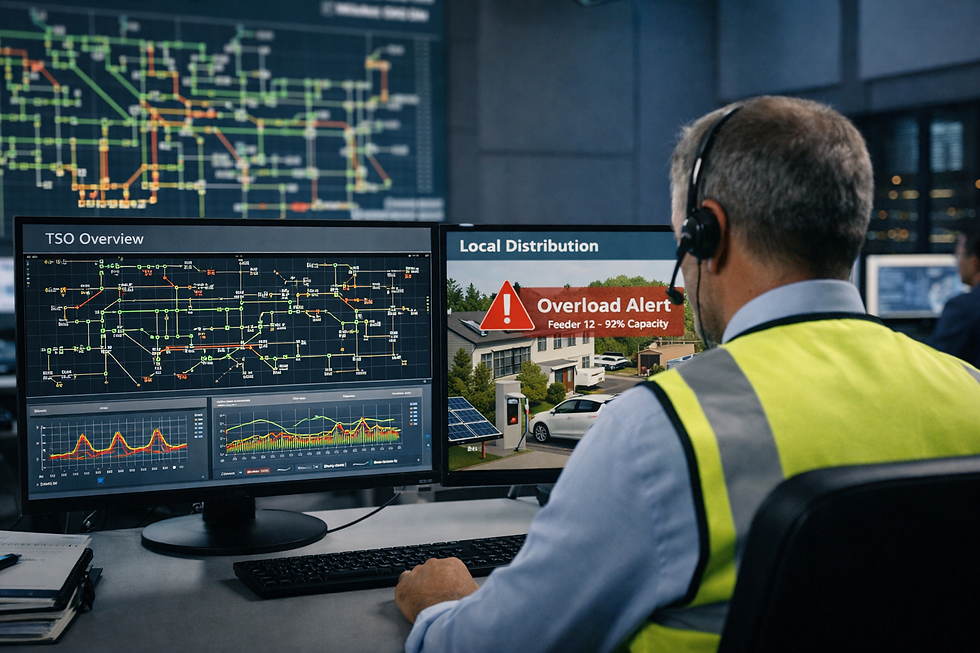


The article explains how modern homes can become part of a flexible energy system where electricity use is automatically adjusted through smart control, helping balance demand and renewable energy supply. It made me think of a time when I struggled to organize a technical topic for class and felt overwhelmed by all the terms. I once used English online assignment help when I needed structure and clarity in my work. It shows how automation and good planning both make complex systems easier to manage and understand.
Acquiring understanding of famous buildings london enables learners to appreciate structural and cultural significance. The College of Contract Management provides courses on architectural principles and design processes. Flexible modules support professionals managing busy schedules. Many have gained confidence in applying engineering knowledge.
Many professionals curious about language techniques explore how storytelling elements improve presentations, and UNICCM explains methods like narrative pacing and analogy that engage listeners. This supports stronger audience connection. UNICCM also highlights how technique influences retention. This enriches public speaking skills.