Energy Management Systems: Smart Control for Reliable, Low-Carbon Power


Energy Management Systems: Smart Control for Reliable, Low‑Carbon Power
Energy management systems are the digital backbone of modern power systems, and energy management systems turn devices, tariffs, and data into real‑time optimization across homes, buildings, and industry.
From residential HEMS to commercial BEMS and industrial IMES, EMS orchestrate generation, storage, and flexible loads to reduce bills and emissions. Interoperable platforms from companies like Schneider Electric, Siemens Smart Infrastructure, and ABB connect PV, batteries, EV charging, HVAC, and industrial processes under a single control layer.
Data is the fuel. IoT sensors, smart meters, and DER telemetry feed analytics engines that forecast demand, solar/wind output, and prices. Cloud AI services from Google Cloud, AWS, and Microsoft Azure enable predictive control that adapts to weather and tariffs in real time.
A typical HEMS stack synchronizes rooftop PV, home batteries, EV chargers, and smart appliances. Solutions like Tesla Powerwall or Enphase IQ batteries store excess solar and discharge during peaks, while dynamic rates from retailers such as Octopus Energy reward load shifting.
In industry, IMES optimise compressed air, motors, furnaces, and process heat. Digital twins and advanced controls reduce energy intensity and downtime, improving resilience and margins. Standards—IEC 61850, IEEE 2030.5, and OpenADR—ensure devices can exchange data securely and participate in automated demand response.
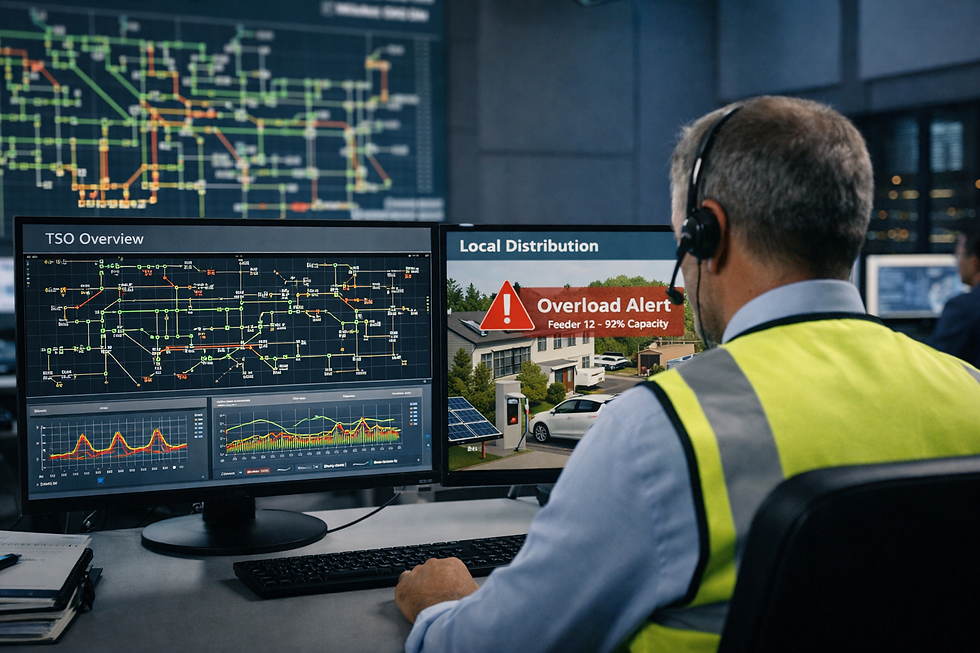
EMS are also grid assets. By aggregating flexible loads and storage, platforms bid services—frequency response, reserve, and congestion relief—into markets. Operators such as ENTSO‑E and CAISO highlight the growing role of distributed resources in keeping systems reliable as renewable penetration rises.
Security and privacy are foundational. Frameworks like NIST’s Cybersecurity Framework and GDPR guide data handling and risk management across millions of endpoints.
A practical roadmap for adopters: 1) instrument assets with metering and telemetry; 2) choose vendors with open APIs and standards compliance; 3) start with tariff optimization and peak management; 4) add market participation via aggregators; and 5) track KPIs—bill savings, peak reduction, uptime, and emissions per MWh—so value is visible.
EMS are not just dashboards. They are decision engines that turn data into savings, resilience, and lower carbon—helping households, businesses, and grids integrate renewables without sacrificing reliability.
Energy management systems: from smart homes to grid services
Leverage standards, open APIs, and AI control to co‑optimize devices, tariffs, and market participation across HEMS, BEMS, and IMES.


Comments