Energy Data as Strategy: Analytics, Markets, and the Three Pillars—Availability, Affordability, Security


Energy Data as Strategy: Analytics, Markets, and the Three Pillars—Availability, Affordability, Security
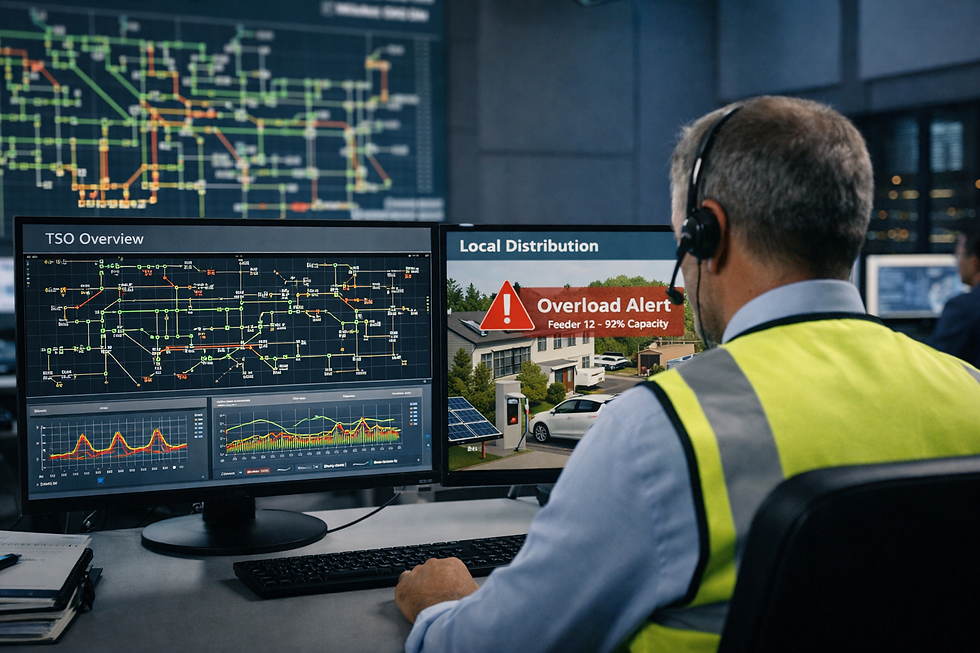
Energy data is now the cornerstone of decision‑making, and energy data turns raw telemetry into actions that safeguard availability, affordability, and security across modern grids.
From wholesale markets to neighborhood microgrids, actionable insights depend on high‑quality datasets and fast analytics. Global benchmarks from the International Energy Agency (IEA) and ENTSO‑E show that better forecasting and transparency lower system costs and improve reliability.
Smart‑meter fleets provide the time‑of‑use detail that enables dynamic tariffs and demand response.
Utilities pair AMI platforms with standards like OpenADR to automate flexibility, shifting load from peaks and reducing imbalance charges. Retailers and DSOs expose pricing and carbon‑intensity signals through open APIs so devices can optimize without sacrificing comfort.
Forecasting blends physics and machine learning. Cloud AI services from Google Cloud, AWS, and Microsoft Azure crunch weather models, market data, and site telemetry to predict wind, solar, demand, and prices in real time. Operators then co‑optimize storage, EV charging, and hedges to keep grids balanced at least cost.
In emerging markets, geospatial analytics map energy access and direct investment. Initiatives by the World Bank and IEA energy access combine satellite imagery with census data to identify priority communities for mini‑grids and network upgrades. Open mapping resources like OpenStreetMap help planners validate sites and logistics.
The real value appears when data flows into decision platforms. AI‑driven SaaS tools deliver: 1) price and imbalance forecasts; 2) DER orchestration for homes, fleets, and industry; 3) reliability dashboards (SAIDI/SAIFI, reserve margins); and 4) carbon accounting aligned with the GHG Protocol. These insights lower OPEX and empower consumers with personalized tariffs and efficiency tips.
Data governance is foundational.
A practical roadmap for leaders: standardize data models and APIs; instrument assets and meters; embed MLOps for robust model monitoring; and tie KPIs to the three pillars—availability (outage minutes), affordability (bill impacts), and security (reserve margins, incident response).
Harnessed well, data is not just a tech asset but an economic lever. Investing in modern data infrastructure turns intermittent renewables and millions of devices into a coordinated system that is abundant, affordable, and secure.
Energy data: turning telemetry into market and grid decisions
Publish real‑time signals, automate flexibility with standard APIs, and govern responsibly—so analytics translate into measurable savings and reliability.


Comments