Balanced Energy Transition: Reliability, Affordability, and Real-World Constraints


Balanced Energy Transition: Reliability, Affordability, and Real‑World Constraints
A balanced energy transition is the only credible path to decarbonization, and a balanced energy transition keeps reliability and affordability non‑negotiable while technologies scale and supply chains mature.
Policies that ignore economic and social realities risk backlash. Global energy systems still depend primarily on fossil fuels: according to the Energy Institute Statistical Review, oil, gas, and coal supply the large majority of primary energy worldwide. Pretending that intermittent renewables alone can carry modern economies today underestimates engineering and financial constraints.
Energy security is inseparable from food security. Modern agriculture relies on ammonia for nitrogen fertilizers produced via the Haber–Bosch process, which typically uses natural gas as the hydrogen source. Analyses from FAO and Our World in Data show fertilizers underpin global yields; unaffordable gas or rushed phase‑outs would spike food prices, harming developing nations most.
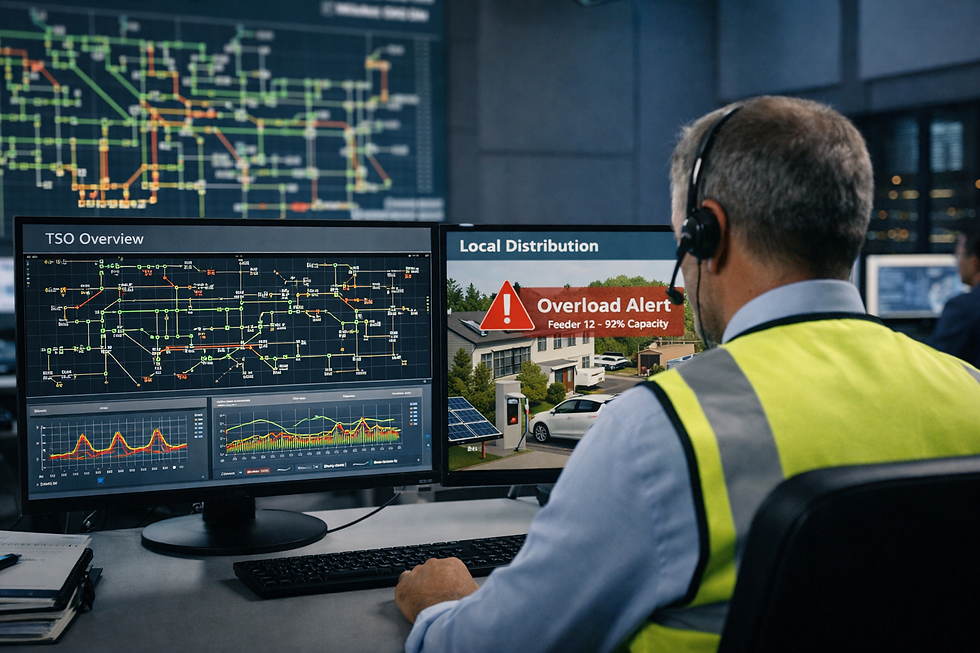
Electricity reliability still depends on dispatchable resources. Grid operators such as ENTSO‑E emphasize the need for firm capacity, storage, and interconnections to balance variable wind and solar. Germany’s Energiewende illustrates the challenge: despite large renewable build‑out, coal and gas plants remain essential during low‑output periods, while households have faced some of Europe’s highest prices per Eurostat.
Fossil inputs also anchor industries far beyond power—chemicals, pharmaceuticals, plastics, and high‑temperature heat. Rapid, unmanaged withdrawal without scalable alternatives would ripple through supply chains and jobs. Pragmatism means sequencing: accelerate clean options while safeguarding present‑day reliability.
A durable strategy aligns near‑term realities with long‑term goals:
1) expand renewables and grid‑scale storage where economics are strong;
2) preserve and modernize dispatchable fleets, including nuclear power and efficient gas with CCS where viable;
3) invest in transmission and flexible demand via standards like OpenADR;
4) protect affordability through targeted social tariffs and efficiency programs; and 5) support R&D for substitutes in hard‑to‑abate sectors (green hydrogen, synthetic fuels, process electrification).
Markets should reward reliability and emissions reduction simultaneously. Contracts‑for‑difference and competitive auctions can scale low‑carbon supply, while capacity and ancillary‑service markets value availability, inertia, and fast response. Transparent dashboards on costs, reliability (SAIDI/SAIFI), and emissions (tCO₂/MWh) build public trust.
Bottom line: reliability and affordability are the bedrock of modern civilization. Treat them as constraints, not afterthoughts. With disciplined sequencing and technology‑agnostic policies, countries can lower carbon intensity without risking food security, blackouts, or price shocks.
Balanced energy transition: a realistic policy and investment roadmap
Maintain firm capacity, fund grids and storage, de‑risk clean technologies, and protect vulnerable consumers—so decarbonization advances without sacrificing stability.


Comments